How Was the Pantheon's Dome Built Without Steel?
The Pantheon dome was built without steel by making it heavy where it needed to be and light where it could be.

The Pantheon dome was built without steel by making it heavy where it needed to be and light where it could be.

Le Corbusier's five points of architecture are pilotis, the roof garden, the free plan, the horizontal ribbon window and the free facade.

Poche in architecture is the filled area of a plan or section where the cutting plane passes through solid material, usually walls, columns and floor slabs. Rendering that mass in black or a dense tone pushes it into the background, so the rooms left between it read instantly as usable...

Beaux-Arts architecture is a grand, formal style of classical design developed at the École des Beaux-Arts in Paris during the 19th century. It combines Greek and Roman orders with Renaissance and Baroque ornament, producing symmetrical, hierarchically planned public buildings rich in sculpture, paired columns, and elaborate stonework. If you have...

The Prairie School style is an American architecture movement that grew in the Midwest between roughly 1900 and 1917. It favors strong horizontal lines, low-pitched roofs with wide overhanging eaves, open floor plans, and a close tie to the flat prairie landscape. Frank Lloyd Wright led the movement alongside other...

Georgian architecture is the classical building style that dominated Britain and its colonies from 1714 to 1830, named after the four King Georges who reigned during that century. It favors strict symmetry, balanced proportion, brick or stone facades, and sash windows, drawing its rules from ancient Greek and Roman models...

Constructivist architecture was a Soviet design movement of the 1920s and early 1930s that treated buildings as social machines rather than decorated monuments. Rooted in the Russian avant-garde, it favored industrial materials like concrete, steel, and glass, exposed structure, and bold geometric form serving the goals of a new collective...

De Stijl in architecture and design was a Dutch movement (1917 to 1931) that reduced buildings, furniture, and painting to straight horizontal and vertical lines, flat planes, and the primary colors red, blue, and yellow plus black, white, and gray. It aimed for a universal visual language stripped of ornament...

Metabolism was a Japanese architecture movement that began in 1960, treating buildings and cities as living organisms that could grow, adapt, and replace their parts over time. Its architects designed flexible megastructures with detachable modules, drawing on biological renewal to answer the pressures of rapid post-war urban growth in Japan....

The Chicago School of architecture was a group of architects and engineers working in Chicago between the 1880s and roughly 1910 who developed the steel-frame skyscraper. Their commercial buildings used metal skeletons instead of thick masonry walls, large plate-glass windows, and restrained ornament, laying the technical and visual groundwork for...

Villa Savoye is a white reinforced concrete house in Poissy, France, designed by Le Corbusier and Pierre Jeanneret between 1928 and 1931. It put his five points of modern architecture into one building, and it became a reference for modernist design worldwide. UNESCO added it to the World Heritage List...

Modernism vs postmodernism architecture represents one of the most significant debates in design history. Modernism emerged in the early 20th century around the belief that function should drive form and ornament was waste.

The most influential architects of the 20th century did not just design buildings — they created entirely new ways of thinking about space, structure, and the purpose of architecture itself.

Gothic vs baroque architecture represents one of the most studied contrasts in Western architectural history.

A brutalist architecture guide is an entry point into one of the most polarizing movements in modern building history.

Bauhaus architecture influence refers to the far-reaching effect that the Bauhaus school, founded in Weimar, Germany in 1919, had on the way buildings, interiors, and everyday objects are designed.

Notre-Dame Cathedral stands as the defining achievement of Gothic architecture, uniting structural innovation, spiritual symbolism, and urban identity. Through light, verticality, and masterful engineering, the cathedral reshaped architectural thinking and continues to influence contemporary design culture.
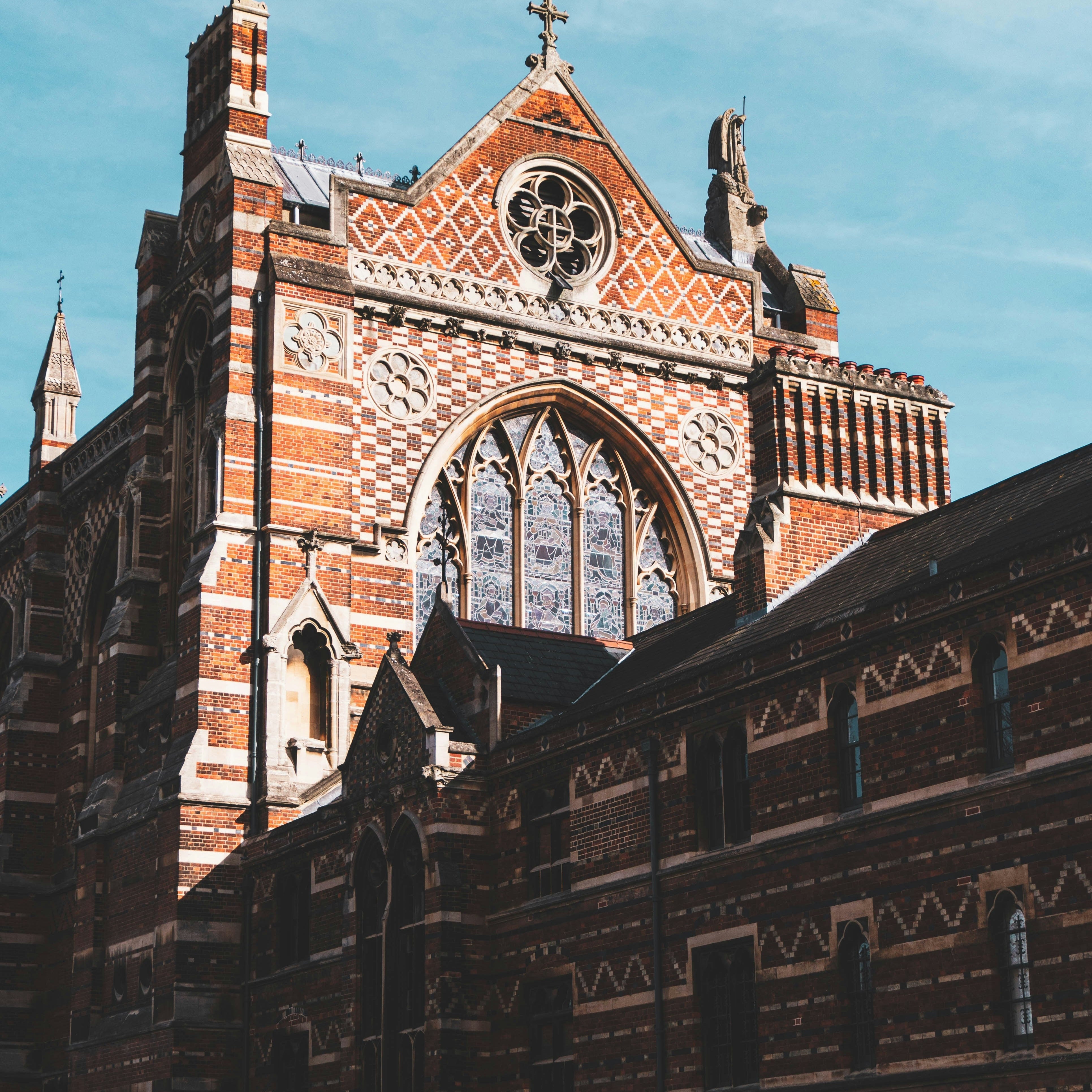
Victorian architecture takes us back to a time of elegance and intricate design. Emerging during Queen Victoria's reign in the 19th century, this style reflects a blend of innovation and tradition. From ornate facades to steep gabled roofs, every detail tells a story of craftsmanship and cultural transformation. It's no...