What Is a Setback in Building Design?
A setback in building design is the minimum distance a structure must keep from a property line, a street, or another reference line, as set by the local zoning code.

A setback in building design is the minimum distance a structure must keep from a property line, a street, or another reference line, as set by the local zoning code.

Zoning is the set of local laws that divides a city into districts and sets what can be built in each one: which uses are allowed, how tall and bulky buildings may be, how much of a lot they can cover, and how much parking they need.

New Urbanism is a planning and design movement that shapes towns around walkable neighbourhoods, mixed uses, connected street networks and clearly defined public space rather than car dependent sprawl. Organized by the Congress for the New Urbanism in the 1990s, it treats street sections and building form as the primary...

A figure ground diagram is a two tone plan drawing that fills built mass in black and leaves everything unbuilt in white. Reading only solid against void, it exposes how dense a district is, how its streets are shaped, and whether public space is carved out of the fabric or...

Metabolism was a Japanese architecture movement that began in 1960, treating buildings and cities as living organisms that could grow, adapt, and replace their parts over time. Its architects designed flexible megastructures with detachable modules, drawing on biological renewal to answer the pressures of rapid post-war urban growth in Japan....

The core difference in the architect vs urban planner question comes down to scale. An architect designs individual buildings, focusing on structure, form, and how people use a single space. An urban planner shapes whole districts and cities, deciding how land, transport, housing, and public space fit together over decades....

The urban heat island effect is the measurable rise in air and surface temperatures across cities compared with surrounding rural land. It happens because buildings, roads, and other paved surfaces absorb and re-emit solar heat far more than soil and vegetation, pushing dense urban areas several degrees warmer, especially after...

Frank Gehry’s death marks the end of an era in architecture. This article revisits his life, design philosophy, and iconic masterpieces across the world that reshaped cities and culture.

When we think of architects, we often picture someone designing stunning buildings. But architecture is a diverse field, and architects specialize in much more than just creating blueprints for homes or skyscrapers. Their expertise shapes the spaces we live, work, and play in, blending creativity with functionality. From urban planners...

In the ever-evolving world of modern architecture, the facade stands as a defining element that shapes not just the building's aesthetic but also its functionality. We often find ourselves captivated by stunning facades that blend innovation with artistry, pushing the boundaries of design. These exterior surfaces do more than just...

Air conditioning has transformed the way we design and experience buildings, shaping architecture in ways we often take for granted. What started as a luxury has become a necessity, influencing everything from skyscraper construction to suburban homes. It's fascinating to see how this innovation has evolved alongside architectural styles and...
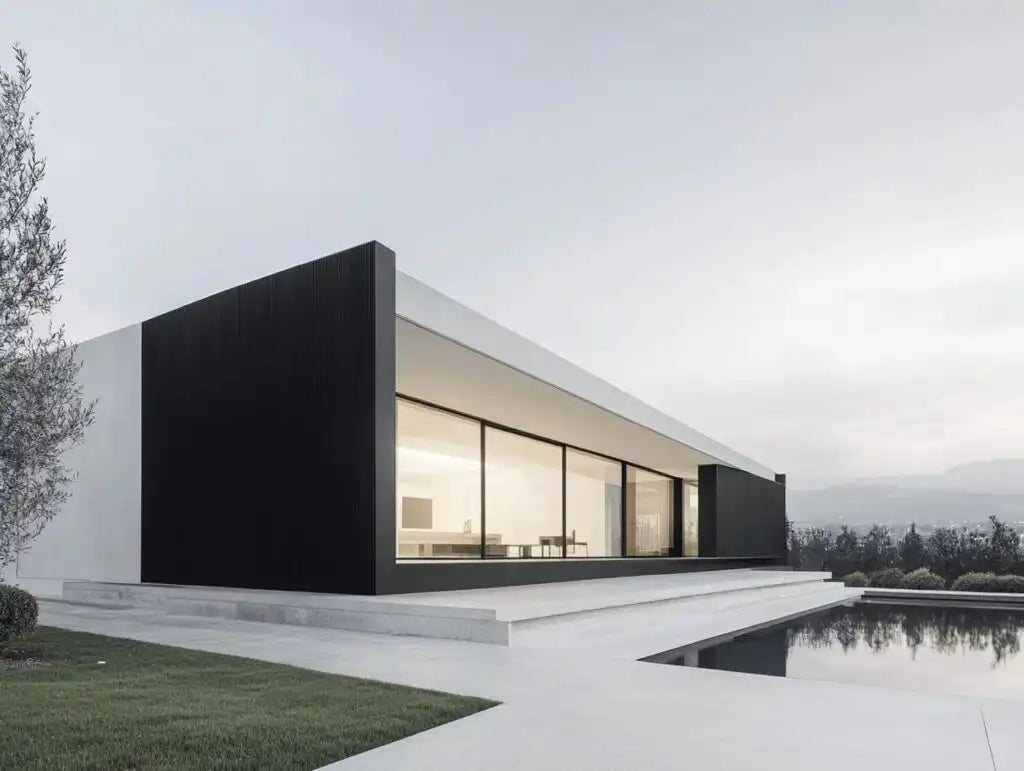
Discover the essence of modern minimalism in architecture, where simplicity meets functionality. This article explores its historical roots, key principles, and impactful designers, illustrating how clean lines and open spaces enhance our lives. Learn about iconic structures and the push for sustainable urban planning that fosters community and tranquility.
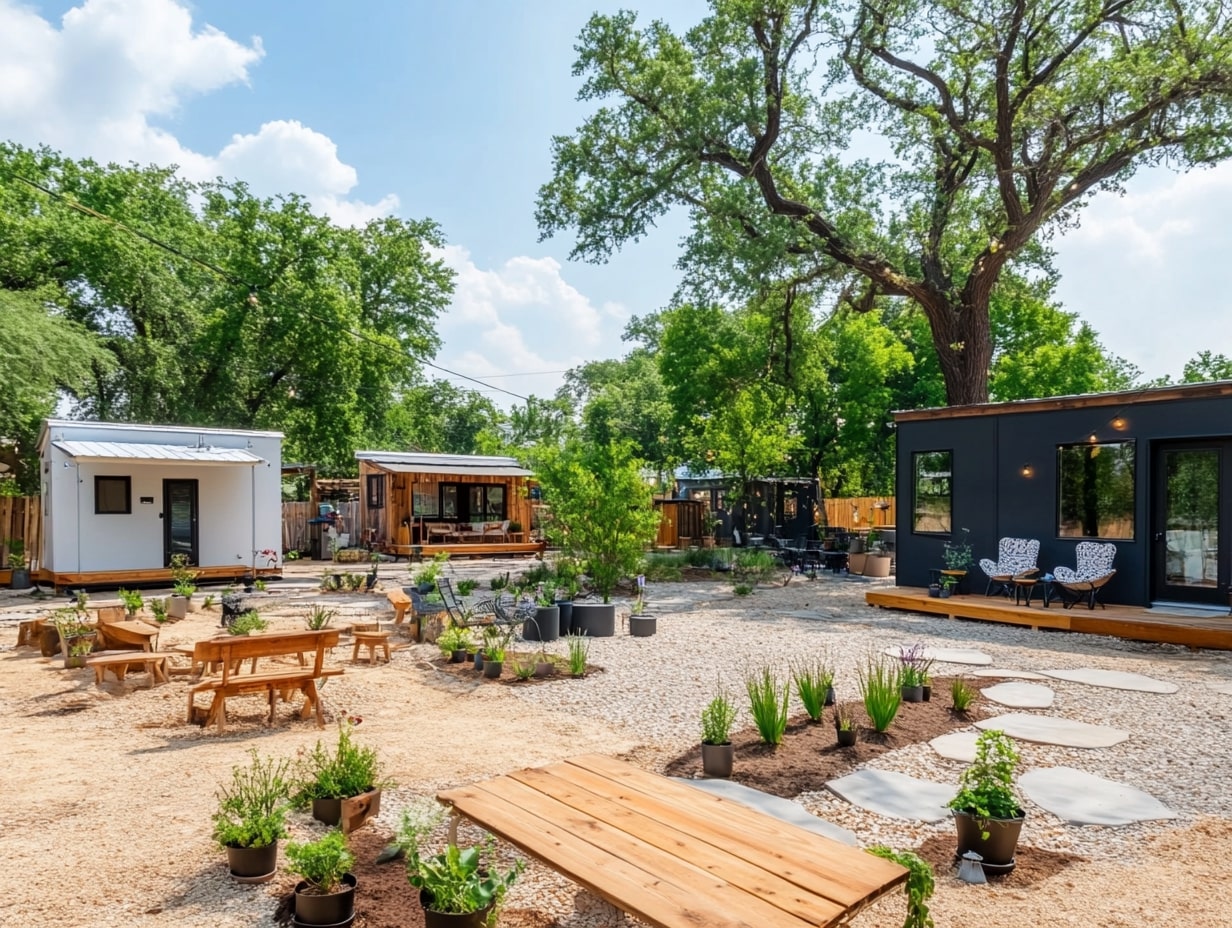
Tiny house living has captured our imagination, offering a simpler, more intentional way of life. But what happens when we take this minimalist lifestyle and place it in a community setting? Tiny house communities are popping up everywhere, bringing together like-minded individuals who value sustainability, affordability, and connection. Living in...
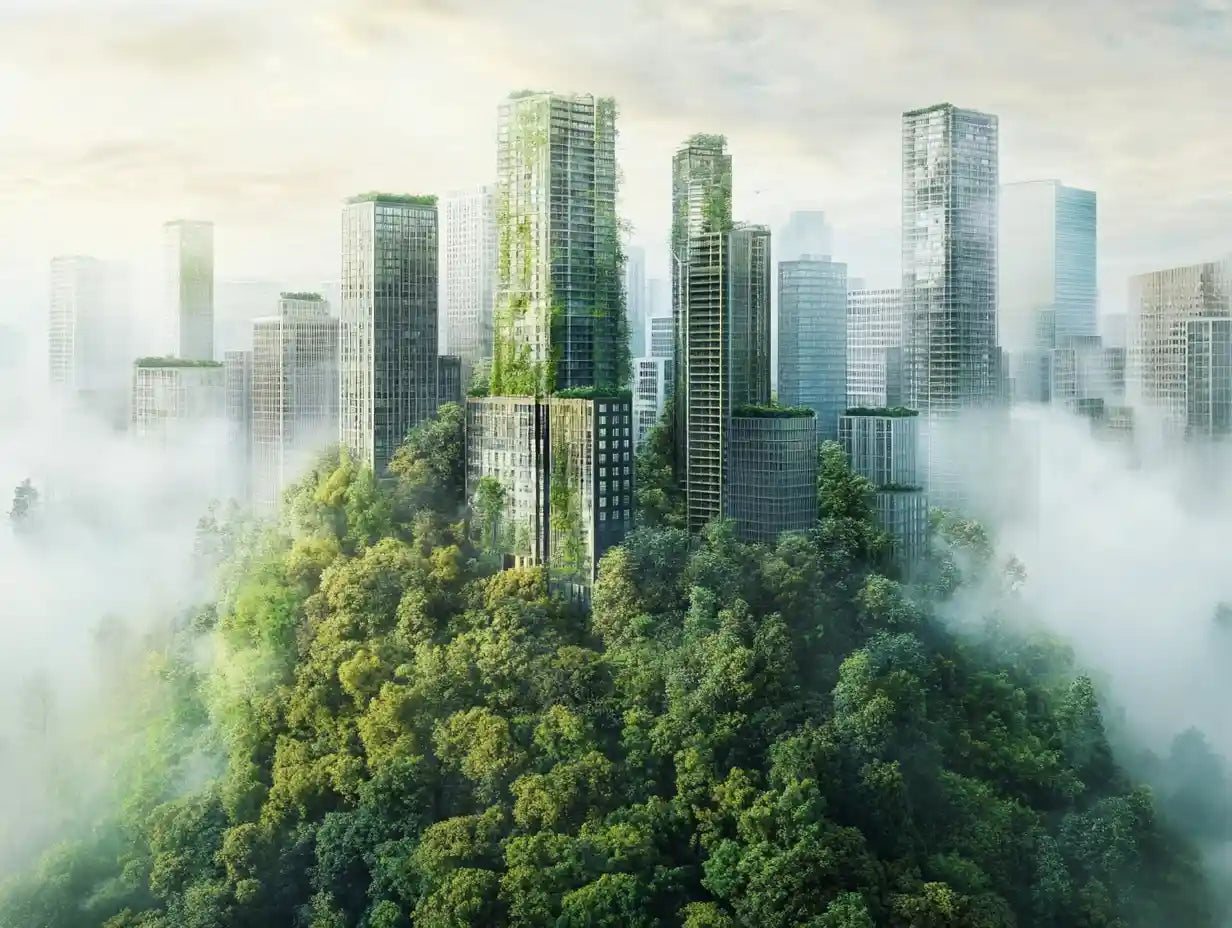
Building sustainable cities has become one of the most pressing challenges of our time. As urban populations grow and environmental concerns intensify, we need innovative solutions to create spaces that are both livable and eco-friendly. That’s where artificial intelligence (AI) steps in, offering transformative tools to rethink how we design...